



_result.jpg)


Richmond Council parking rules for Hampton removals permits explained
Posted on 31/07/2026

If you are moving in Hampton, parking is rarely the bit people get excited about. Yet it is often the bit that decides whether moving day feels calm or slightly chaotic by 8:30 in the morning. Richmond Council parking rules for Hampton removals permits explained can save you from avoidable stress, blocked access, rushed unloading, or a fine that turns a decent move into a nuisance. This guide breaks the whole thing down in plain English, with a focus on what actually matters on the day.
Truth be told, most removals problems happen because parking was treated as an afterthought. A van arrives, the space is occupied, the road is narrow, the neighbour's car is in the way, and suddenly everyone is trying to improvise. Let's make it simpler than that.
Why Richmond Council parking rules for Hampton removals permits explained Matters
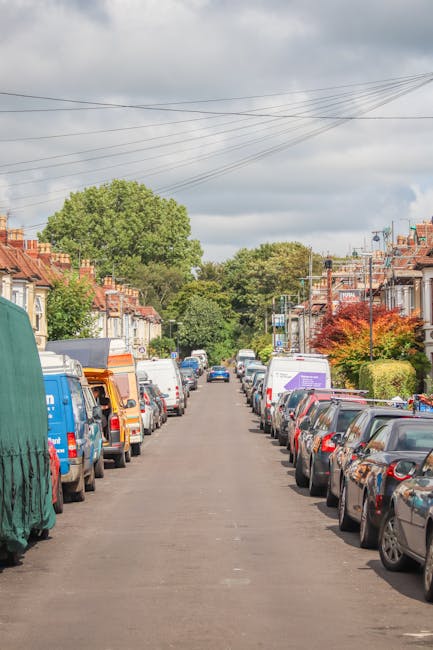
Hampton has a mix of residential streets, tighter side roads, busier through-routes, and areas where parking can be awkward even on a quiet day. When you add sofas, bed frames, boxes, and a removal van into the picture, that awkwardness can become a proper problem. A permit or parking plan is not just a formality. It is the thing that lets the vehicle stop close enough to the door so the move can happen safely and without wasting time.
There is also a human side to it. A good move feels organised. A bad one feels like constant friction. You will notice the difference immediately: fewer long carries, fewer awkward turns on the pavement, less shouting across the road, and far less chance of rushing something fragile. If you have ever tried to carry a mattress two streets farther than planned, you will know exactly what I mean. Not fun.
For people moving a flat, a family home, or a small office, parking rules matter for three reasons:
- they affect where the van can legally stop;
- they influence how long loading and unloading will take;
- they help you avoid enforcement issues, complaints, and delays.
If your move also involves narrow access, awkward stairs, or bulky items, parking becomes even more important. A smooth loading point can be the difference between a sensible, staged move and one long scramble. For practical moving prep, many readers also find steps to a smooth and simple move useful alongside this guide.
How Richmond Council parking rules for Hampton removals permits explained Works
At a practical level, a removals parking setup usually involves one or more of the following: a temporary parking suspension, a bay reservation, a permit for the removal vehicle, or a clearly agreed stopping arrangement where parking is permitted and safe. The exact route depends on the street, the time of day, and what kind of parking controls are already in place.
In Richmond and Hampton, it is wise to assume that no two streets behave the same way. A road with unrestricted parking may be straightforward. A road with controlled bays, visitor limits, loading restrictions, or very limited space may need advance planning. The important thing is not to guess. Guessing is how people end up parked too far away, paying more in labour time, or getting a frustrated knock on the window from someone else who needs access.
Here is the usual shape of the process, in plain terms:
- Check the address and street conditions. Look at bay markings, restrictions, yellow lines, and any loading limitations outside the property.
- Decide whether the removal vehicle needs dedicated space. If the van cannot stop nearby without blocking traffic or breaching restrictions, you may need a permit or arranged suspension.
- Plan the timing. Morning slots, school runs, commuter traffic, bin collection days, and local events can all change how usable a road feels.
- Confirm who is applying. Sometimes the resident applies, sometimes the removals provider helps, and sometimes the vehicle registration details matter. Check early. A small admin miss can become a big day-of headache.
- Keep proof and details to hand. If parking is arranged, make sure everyone involved knows the location, time window, vehicle size, and any conditions attached to the space.
That is the simple version. The real-life version tends to include one neighbour who parks slightly too close, one box that is heavier than it looks, and one lock that suddenly refuses to turn. Still, with decent planning, the whole thing remains manageable.
If you are comparing move styles, it can help to read about the broader service side too, such as man and van services in Hampton or house removals in Hampton, because the vehicle type and load size often influence what parking solution makes sense.
Key Benefits and Practical Advantages
Getting the parking side right is not just about staying on the right side of the rules. It creates real, practical advantages that can be felt throughout the move.
- Shorter carrying distance: movers spend less time walking back and forth, which reduces fatigue and speeds things up.
- Safer handling: the closer the vehicle is, the fewer chances there are for items to be dropped, bumped, or dragged awkwardly.
- Better timing: when loading is efficient, the whole schedule becomes more reliable.
- Less disruption to neighbours and traffic: nobody wants to create a bottleneck outside a row of homes or flats.
- Lower stress: and yes, this matters more than people admit. A move is already a lot.
There is also a commercial benefit if you are booking removals professionally. Time spent carrying goods from a distant parking spot is time you are paying for. That does not mean every extra minute is a disaster, but it does mean planning parking well can help the overall move feel more efficient and sometimes more cost-effective.
For people dealing with valuable items, the parking setup becomes even more valuable. Specialist moving tasks, such as piano removals, are far easier when the vehicle can load close by. If that is your situation, the guidance in piano removals in Hampton is a sensible companion read.
Who This Is For and When It Makes Sense
These parking rules and permit considerations are relevant to more people than you might think. They are not only for huge house moves with a lorry the size of a small building.
You should think about them if you are:
- moving from or to a flat with limited street access;
- using a van that needs to stop directly outside the property;
- moving on a busy weekday when parking is tight;
- handling furniture, appliances, or fragile items that should not be carried far;
- arranging a same-day or short-notice move where parking could become the bottleneck;
- coordinating a landlord handover or an office relocation with a strict time window.
Students moving into shared housing, families relocating within TW12, and small businesses shifting stock or equipment all run into the same issue in different ways. That is why the best removal companies do not just think about lifting and transport. They think about access, positioning, and timing too. If you are still choosing a moving format, browse student removals in Hampton, flat removals in Hampton, or office removals in Hampton depending on the job.
To be fair, if you have a long driveway and a quiet cul-de-sac, you may not need much help at all. But plenty of Hampton addresses are not that straightforward. A bit of planning now usually saves a lot of muttering later.
Step-by-Step Guidance
Below is a practical way to plan removals parking without overcomplicating it. Use it as a working sequence rather than a rigid rulebook.
1. Start with the street, not the van
Before you book anything, look at the street outside the property. Is there marked bay parking, single yellow line restrictions, or a loading area nearby? Is the pavement wide enough for safe movement, or will the team need to keep traffic disruption to a minimum? These are the questions that shape the permit need.
2. Estimate the vehicle's footprint
A small van and a larger removal truck do not behave the same way. Even if the same goods are being moved, the parking requirements can be very different. If bulky items are included, such as beds, wardrobes, or a heavy sofa, a larger vehicle may be preferable, but that can also make parking more sensitive. The choice should be practical, not just theoretical.
3. Decide whether loading must happen directly outside
Some moves can tolerate a short carry. Others really cannot. If you are moving a piano, freezer, or a large sofa, keeping the load point close to the front door matters. It reduces risk and saves energy. That is one reason pages like the intricacies of piano moving and proper freezer storage during a move are so useful in a broader moving plan.
4. Confirm the permit or parking arrangement early
Do not leave it until the night before if you can avoid it. If a permit, suspension, or formal parking arrangement is needed, build in enough time for processing and confirmation. A smooth move often comes down to boring admin done on time. Not glamorous. Very effective.
5. Brief everyone involved
The mover, the driver, the person handing over keys, and anyone helping on the day should all know where the vehicle is meant to be, what the time window is, and what to do if the spot is occupied. One quick message in advance can prevent a surprisingly messy ten-minute delay.
6. Have a backup plan
If the marked space is taken, or the street is busier than expected, know the next best option. A backup bay, a nearby legal stopping point, or a short wait strategy can save the day. There is no shame in having a Plan B. In moving, Plan B is basically standard professional practice.
Expert Tips for Better Results
Here are the small details that make a real difference. These are the sorts of things experienced movers quietly rely on, even if nobody writes them on a nice laminated card.
- Choose the best loading window: early morning or a quieter slot often means less competition for space. In some streets, that alone makes the move noticeably calmer.
- Keep walkways clear: even if the van is nearby, clutter around the front door slows everyone down. Use a clean, clear route.
- Protect bulky items in advance: an awkward carry is made much worse by a badly wrapped item. A sofa blanket and some tape can be your best friend.
- Group the load logically: heavy items first, fragile boxes separate, and anything needed immediately last. That kind of order saves faffing about.
- Know your street's quirks: some roads look simple until you realise a tree, bend, or parked car blocks the best stopping point.
If you are working with specialist items or awkward access, it can help to review some of the practical moving content already published on the site, such as moving tips for narrow access near Hampton station and solutions for narrow stair removals. They fit naturally with parking and access planning.
And yes, a cup of tea on the side while the loading starts does count as a tactical pause.
Common Mistakes to Avoid
Most parking issues on removals day come from a handful of predictable mistakes. Avoiding these is honestly half the battle.
- Leaving parking until the last minute: this is the biggest one. If the road needs a permit or arrangement, late action creates avoidable pressure.
- Assuming a van can just stop anywhere: curbside access is not the same as legal parking. A quick assumption can lead to a ticket or a forced move.
- Ignoring vehicle size: a narrow street that works for a car may be awkward for a removals van.
- Forgetting the loading time: some parking allowances are time-sensitive, so the team needs enough room to work properly.
- Not telling neighbours or residents where possible: even a polite heads-up can reduce complaints or confusion. It sounds small, but it helps.
- Overloading the schedule: if you book too tight a window, one parking hiccup can throw the whole day.
There is also a hidden mistake: underestimating how tired you feel after repeated short carries. That is where people trip, twist, or rush. If you are handling lifting yourself, take a look at safe solo heavy lifting tips before you decide what to carry personally.
Tools, Resources and Recommendations
You do not need a toolbox full of specialist equipment to get parking and access right. But a few practical things make the process much easier.
- Site photos: a quick photo of the street, bay, or front access area helps everyone understand the setup.
- Move inventory: a rough list of what is being moved helps estimate vehicle size and loading time.
- Printed or saved confirmation details: keep the booking time, parking notes, and access instructions in one place.
- Protective wraps and covers: useful if the loading point is slightly farther from the door than ideal.
- Decluttering plan: reducing load volume often reduces parking pressure too, because the job becomes faster and cleaner.
If you are still at the planning stage, practical reading such as the ultimate premove decluttering guide and packing smarter for a house move can make a surprising difference. Less stuff means less loading time. Less loading time means less parking stress. Simple, really.
For anything that needs extra care or space, the services overview and insurance and safety information are sensible places to build trust before you book.
Law, Compliance, Standards, or Best Practice
Parking rules are not something to treat casually. Local restrictions, civil enforcement, loading controls, and permit conditions are all designed to keep streets workable and safe. The safe approach is to assume that any stopping arrangement must be genuinely authorised, clearly understood, and suitable for the vehicle and task.
Best practice in removals usually includes the following:
- checking the street layout and restrictions before moving day;
- matching the vehicle size to the access conditions;
- keeping within any time limits or designated loading windows;
- avoiding obstruction to pedestrians, driveways, and emergency access;
- ensuring the team understands the parking plan before arrival.
In plain English: do not rely on guesswork. If there is any doubt, plan for more time and clearer access, not less. That advice may sound obvious, but in moving work the obvious things are the ones that save you.
It is also wise to consider professional standards around safety, insurance, and handling. A reputable removals provider should be able to talk sensibly about risk, access, and what happens if parking changes at the last moment. If you want a sense of those standards in practice, licensed removals and safety standards is a strong related read.
Options, Methods, or Comparison Table
Not every Hampton move needs the same parking solution. The right choice depends on street type, vehicle size, and how much loading time you need.
| Option | Best for | Pros | Possible drawbacks |
|---|---|---|---|
| Standard roadside parking | Quiet streets with unrestricted spaces | Simple, quick, often enough for smaller moves | Not suitable where restrictions or congestion apply |
| Temporary loading near the property | Short unloading stops with manageable access | Close to the door, efficient for bulky items | May still be time-limited or restricted |
| Permit or reserved bay | Controlled streets and longer loading periods | Most reliable when street parking is tight | Needs planning, timing, and correct setup |
| Short-carry strategy | Where the van cannot stop directly outside | Flexible and sometimes unavoidable | Slower, more tiring, and can add complexity |
If you are choosing between a small van and a larger removals vehicle, think about parking as much as payload. A bigger vehicle can reduce trips, but it may also need more space. For some moves, the most efficient choice is not the largest vehicle, but the one that best fits the street. If you want to compare service formats, the pages for removal van hire in Hampton and removal services in Hampton can help frame that decision.

Case Study or Real-World Example
Imagine a typical Hampton flat move on a weekday morning. The property is on a road with limited parking, and the front entrance is close to the street but not quite close enough for a van to casually stop anywhere. The client wants to move a double bed, several boxes, a bookshelf, and a sofa. Nothing outrageous, but enough to need a proper plan.
Without parking preparation, the van ends up a short walk away, and the team has to make repeated trips while trying not to block the pavement. It still gets done, but the move feels longer, noisier, and more tiring than it should.
With a better plan, the loading point is identified in advance, the timing avoids the busiest part of the morning, and the van is positioned so bulky items are transferred directly and safely. The sofa is wrapped before it moves, the bed is loaded last, and the whole thing proceeds with fewer pauses. The street stays calmer, the residents are less irritated, and the move looks professional from start to finish. Nothing dramatic. Just organised.
That is the key lesson: parking planning does not remove all moving stress, but it takes one of the biggest unknowns off the table. And that helps more than people expect.
Practical Checklist
Use this checklist in the days before your move. It is the kind of list that saves you from a rushed scramble on the morning itself.
- Confirm the full moving address and access notes.
- Check whether the street has parking bays, loading restrictions, or yellow lines.
- Decide whether the vehicle needs to stop directly outside the property.
- Match vehicle size to the amount and type of furniture being moved.
- Arrange any permit, bay use, or parking suspension well in advance if needed.
- Save confirmation details in your phone and share them with everyone involved.
- Plan a backup stopping option in case the first space is taken.
- Keep walkways, doorways, and internal routes as clear as possible.
- Wrap fragile or bulky items before loading begins.
- Allow extra time for narrow access, stairs, or heavier items.
If the move includes special items, do not forget to build that into the plan. For example, beds and mattresses need their own handling strategy, and the advice in efficient ways to transport your bed and mattress is very relevant here.
Get a free quote today and see how much you can save.
Conclusion
Richmond Council parking rules for Hampton removals permits explained come down to one simple idea: the closer and clearer the loading plan, the smoother the move. Parking is not a side issue. It is a core part of moving safely, legally, and without unnecessary delay.
If you plan the street access, match the vehicle to the job, and allow enough time for permits or parking arrangements, you give yourself a far better chance of a relaxed moving day. And that matters. Moving is already a big enough life task without adding parking chaos to the mix.
If you are still weighing up the best way to organise your move, browsing removals in Hampton, pricing and quotes, or contact options can help you take the next step with a bit more confidence. One calm decision leads to another. That is usually how the better moves happen.

