
_result.jpg)


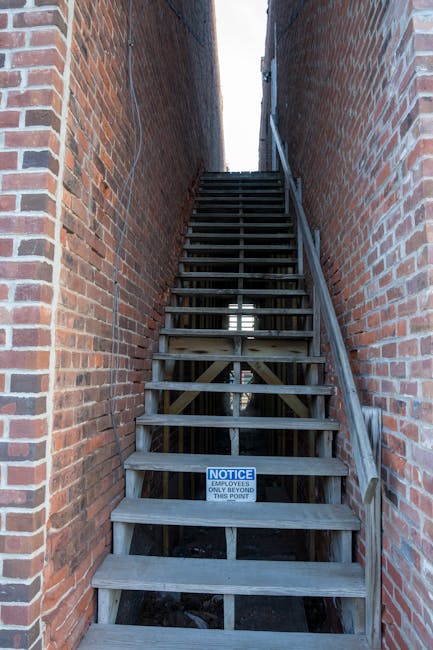
Narrow stair removals in Hampton solutions for tight access moves
Posted on 04/07/2026

Moving bulky furniture through a cramped staircase can turn a straightforward move into a proper puzzle. If you live in a Hampton flat, a period terrace, or a home with a tight hallway and a bendy staircase, you already know the feeling: the item fits in theory, but the landing, banister, or door swing says otherwise. That is where Narrow stair removals in Hampton solutions for tight access moves become essential. This guide explains how these moves work, what to prepare, what can go wrong, and how to keep everything safe, calm, and efficient.
Whether you are shifting a sofa, bed frame, wardrobe, or something awkwardly heavy, the difference is usually in the planning. A few careful measurements, the right lifting method, and the right vehicle approach can save a lot of stress. And, to be fair, it often saves your walls too.
Why Narrow stair removals in Hampton solutions for tight access moves Matters
Narrow stairways change the whole moving game. A sofa that would glide through a wide hallway in seconds can become a blocking point once you add a sharp turn, low ceiling, or an old banister that sticks out just enough to cause trouble. In Hampton, that comes up more often than people expect, especially in flats, converted houses, and older properties where access is not exactly generous.
Why does this matter so much? Because the risks are not just inconvenience. Tight access moves can lead to scuffed plaster, cracked skirting boards, strained backs, damaged furniture, and wasted time. You also get the emotional side of it: standing in a stairwell at 8am, trying to rotate a wardrobe by two inches, is not how anyone wants to start a moving day.
These moves matter because they force a more careful approach. The job becomes less about brute force and more about planning, measurement, teamwork, and judgement. That is especially true for homes near narrow roads or properties where parking, loading, and stair access all need to be managed together. If you are moving locally, a useful starting point is our general guide on removals for narrow access around Hampton Station, which covers some of the everyday access headaches you may run into.
Expert summary: tight stair removals are rarely about strength alone. The best results come from measuring properly, reducing load size, protecting the route, and choosing the right moving method before the first item is lifted.
How Narrow stair removals in Hampton solutions for tight access moves Works
At a practical level, these moves follow a simple principle: break the problem down before anyone starts carrying. A professional mover will usually assess the access route first, then decide whether the item can be taken intact, rotated, partially dismantled, or wrapped and moved with specialist handling.
The process usually starts with a quick survey of the property. That might mean checking stair width, ceiling height, landing space, door openings, turning circles, and whether there is any awkward furniture already sitting in the way. Sometimes the key question is not "Will it fit?" but "What angle will make it fit?" Little bit of geometry, little bit of patience.
Next comes route planning. In a tight-access move, the path from room to vehicle matters as much as the item itself. That includes hallway protection, floor coverings, lift or stairwell restrictions if relevant, parking distance, and whether the item needs to be carried by two people or more. If the property is on a busy Hampton street, planning the vehicle position in advance is especially helpful.
For delicate, oversized, or especially awkward items, movers may use extra wrapping, corner protection, lifting straps, blankets, or a dolly at the right stage of the journey. Items such as pianos, large sofas, and heavy mattress bases often need their own handling plan. If you are moving something like that, it is worth reading our page on the intricacies of piano moving for a sense of how specialist handling changes the process.
Sometimes the most efficient method is to partially dismantle the furniture before the move. A bed frame may come apart cleanly. A wardrobe door may need removing. A sofa might need the legs off, or the back cushion pack separated from the main frame. None of this is glamorous, but it is usually the difference between a smooth job and one that turns into a Saturday-long headache.
Key Benefits and Practical Advantages
Narrow stair removals handled properly bring more than just convenience. They protect the property, reduce stress, and make the move faster overall.
- Less risk of damage: careful handling and route protection reduce scrapes, dents, and accidental knocks.
- Safer lifting: a planned approach lowers the chance of overreaching or twisting awkwardly on stairs.
- Better use of time: when movers know the access issues beforehand, they arrive prepared rather than improvising.
- Fewer surprises: decisions about dismantling, wrapping, or repositioning are made before the pressure is on.
- More suitable transport planning: if the item is awkward, a smaller vehicle or multiple trips may be the right call instead of forcing everything into one attempt.
There is also a quieter benefit: confidence. Once the difficult part is planned properly, the whole move feels more manageable. That matters, because moving day already comes with enough noise, boxes, and minor panic. No need to add mystery to the staircase.
For people moving flats or compact homes, this is often the point where specialist help pays off most clearly. Our flat removals in Hampton service page is useful reading if your move includes stairs, shared entrances, or tricky communal access.
Who This Is For and When It Makes Sense
These solutions are not just for difficult homes. They are for anyone whose route is less than generous. If your staircase is narrow, your landing is tight, or your item is heavy and awkward, this approach can save a lot of trouble.
It makes sense for:
- people moving from upper-floor flats
- tenants in converted Victorian or Edwardian houses
- families with bulky furniture and limited hallway space
- students moving in or out of compact accommodation
- office teams relocating smaller items through stairwells
- anyone dealing with awkward furniture, especially sofas, beds, and wardrobes
It also matters if you are trying to coordinate a move on a tight schedule. A narrow staircase that has not been assessed properly can slow everything down, which is annoying at the best of times and costly when you are juggling keys, cleaners, or a same-day handover. If timing is tight, our article on same-day removals in Hampton gives helpful context on avoiding last-minute problems.
One small but important note: if an item feels impossible to move safely, that is usually because it needs a different plan, not because someone is being dramatic. The staircase may simply not be the right route for that object.
Step-by-Step Guidance
Here is the basic way to handle a narrow stair move without turning it into a chaos-filled scramble.
- Measure everything. Measure the furniture, the stair width, the landing depth, doorways, and any turns. Take the tape measure seriously.
- Clear the route. Remove pictures, coats, mats, bins, and anything else that narrows the path or creates trip hazards.
- Decide whether to dismantle. Bed frames, table legs, sofa feet, and wardrobe doors may need removing before the move starts.
- Protect surfaces. Use blankets, floor runners, cardboard, or corner guards on walls and railings where needed.
- Plan the carrying order. Put the awkward items first, before everyone is tired and the stairwell feels smaller than it did an hour ago.
- Lift with a consistent method. Keep communication simple. Count in, turn together, pause together.
- Load the vehicle strategically. Heavy and stable items should sit securely. Fragile or odd-shaped items need padding and restraint.
- Check the property before leaving. A quick final walk-through catches forgotten screws, cushion packs, and the one box everyone assumed someone else had.
If you are packing for a move with tight access, you may find our practical packing guide on packing smarter for a house move useful, especially for keeping the moving load manageable.
A small real-world tip: if the item clears the stairwell on the first careful attempt, do not rush the final turn. That last corner is where confidence becomes overconfidence. Happens all the time.
Expert Tips for Better Results
In our experience, the best narrow-stair moves are won before the first lift. A few practical adjustments can make the whole thing noticeably smoother.
- Use a two-person or three-person plan where needed. On stairs, one steady spotter can be worth their weight in tea.
- Remove loose fittings. Shelves, handles, feet, and doors can be the hidden troublemakers.
- Wrap sharp corners. Armrests and bedposts can catch on bannisters and door frames very easily.
- Keep verbal cues short. "Stop", "lift", "turn", and "down" are better than long instructions shouted across a stairwell.
- Watch the weather. Rain makes loading areas slippery, and in Hampton that can become relevant very quickly.
- Think about parking distance. The extra walk from van to front door may seem minor, but on a tricky move it adds up fast.
One more thing people forget: plan for the exit as well as the entry. It is easy to focus on getting an item down the stairs, only to discover it needs to turn at the hallway corner before it ever reaches the front door. The item has opinions. Furniture always does.
If you are still at the stage of deciding whether to keep, store, or relocate surplus items, our guide to premove decluttering and our page on storage in Hampton can help you reduce the load before moving day.

Common Mistakes to Avoid
Most access problems are not caused by the staircase itself. They are caused by assumptions. Fairly avoidable ones, too.
- Not measuring properly. Eyeballing a wardrobe through a stairwell is not a plan.
- Forcing furniture around corners. If an item jams, stop and rethink rather than push harder.
- Skipping route protection. Walls, paintwork, and stair rails can be damaged surprisingly quickly.
- Underestimating weight distribution. Some pieces look manageable until they tip at a bad angle.
- Trying to move everything in one go. Smaller loads are usually safer and quicker in tight access homes.
- Ignoring the vehicle plan. A good stair strategy can still be undone by bad parking or poor loading.
Another common mistake is bringing in too many people at once. It sounds helpful, but in narrow spaces more bodies can actually make things harder. Crowding on a staircase is no one's idea of progress. A tidy, controlled team is far better than a busy one.
For bulky seating in particular, our article on sofa protection and storage is a good companion read. Sofas are notorious for catching on stair corners at the exact moment you think it is all going well.
Tools, Resources and Recommendations
You do not need a warehouse full of kit, but the right few items make a real difference.
| Tool or resource | What it helps with | Practical note |
|---|---|---|
| Measuring tape | Checking furniture and access dimensions | Measure width, height, depth, and turning space, not just the obvious parts |
| Furniture blankets | Surface protection during carrying | Useful for softening contact with walls, banisters, and door frames |
| Straps or harnesses | Improving grip and control on heavy items | Best used by people who understand how to balance the load properly |
| Corner guards | Protecting paintwork and sharp stair edges | Especially helpful in older properties with narrow turns |
| Dolly or sack truck | Moving suitable items across flatter sections | Not every item is suitable, so judgement matters |
| Decluttering plan | Reducing what needs to be carried | Less to move usually means less risk and lower complexity |
A few useful preparation pages from this site can support the wider move too. Our packing and boxes page is handy if you need materials, while furniture removals in Hampton is relevant if the job is mostly about bulky household pieces rather than a full house move.
And if you are moving something especially sensitive, like a freezer that needs proper handling or a mattress that has to stay clean and dry, the practical guidance on freezer storage and transporting a bed and mattress is well worth a look.
Law, Compliance, Standards, or Best Practice
For a move like this, compliance is mostly about safety, duty of care, and sensible working practices. You do not need to become a regulations expert, but you should expect careful handling, clear communication, and a proper approach to risk.
In the UK, moving teams are generally expected to work in a way that avoids unnecessary injury or damage. That means safe manual handling, not overloading individuals, and not taking reckless shortcuts just to save a few minutes. Good movers will also consider access conditions, stairs, load stability, and whether an item is too awkward to move without dismantling.
If you are hiring help, it is sensible to ask about insurance and the mover's approach to safety. That does not have to sound formal. A simple question like "How would you handle this staircase?" can tell you a lot. The answer should sound calm and specific, not improvised. If you want a broader overview of how a reputable provider approaches risk, take a look at insurance and safety and health and safety policy.
Best practice also includes respecting neighbours, shared entrances, and communal areas. In flats and converted homes, that often means keeping noise down, avoiding blocked access, and moving efficiently so hallways are not left cluttered. Simple courtesy helps, and it is not hard to do.
If you are curious about the business side of choosing a mover, our page on removal companies in Hampton and the wider services overview can help you understand how different support options fit together.
Options, Methods, or Comparison Table
There is no single correct way to handle a narrow-stair move. The best method depends on the item, the property, and the timing. Here is a simple comparison to help you think it through.
| Method | Best for | Pros | Trade-offs |
|---|---|---|---|
| Carry intact | Smaller furniture with straightforward access | Fast and simple when it works | May fail on tight turns or low ceilings |
| Partial dismantling | Beds, wardrobes, tables, and some shelving | Makes awkward pieces more manageable | Needs tools and reassembly time |
| Specialist handling | Pianos, antiques, and high-value bulky items | Best control and reduced risk | Usually takes more planning and expertise |
| Smaller-load moving | Moves with lots of items but limited access | Easier to route through tight spaces | May require more trips |
| Storage first, move later | When access or timing is not ready yet | Removes pressure from the moving day | Extra handling stage to arrange |
For many Hampton households, a mix of methods works best. A bed may be dismantled, a sofa carried intact with protection, and smaller boxes loaded separately. That is normal. It does not have to be a one-method-fits-all situation.
Case Study or Real-World Example
Here is a realistic scenario. A couple moving from a first-floor flat in Hampton had a three-seater sofa, a double bed frame, two mattresses, and a wardrobe. The staircase had a tight turn at the half-landing, and the hallway below was narrow enough that two people could not pass comfortably while carrying items.
Rather than trying to force the sofa through intact, the move plan changed. The wardrobe doors were removed first, the bed was dismantled, and the sofa was wrapped and carried with one person guiding at the front and one at the rear. The stair rails were protected, the route was cleared, and the vehicle was parked as close as safely possible. It was still a bit of a squeeze, truth be told, but the move stayed controlled and the property remained untouched.
The most useful part was probably not the carrying itself. It was the pre-move check. Once the access issue was identified early, the team could decide what to dismantle, what to pad, and what to move last. That sort of thinking saves a lot of stress on the day.
If you are moving into or out of a Hampton flat, the same logic often applies. You can also compare this with flat removals in Hampton and general removals in Hampton to see how access affects the overall approach.
Practical Checklist
Use this checklist before moving day. It keeps things grounded and stops the usual rush from taking over.
- Measure all large furniture and the stair route.
- Check for tight turns, low ceilings, and narrow landings.
- Decide which items should be dismantled in advance.
- Clear hallways, stairs, and entry points.
- Protect floors, walls, corners, and bannisters.
- Confirm parking and loading access near the property.
- Pack tools, fixings, and screws in clearly labelled bags.
- Keep heavier items separate from fragile boxes.
- Plan who will guide, lift, and support each item.
- Leave enough time for careful loading and a final walk-through.
If you want a wider moving-day checklist, the article on steps to a smooth and simple move is a good companion piece. It ties the stair access problem into the full move plan, which is where the real organisation happens.
And if you are still reducing what you need to move, our guide to pre-move decluttering can take some pressure off before the lifting even starts.
Get a free quote today and see how much you can save.
Conclusion
Narrow stairs do not have to derail a move. With the right preparation, the right lifting approach, and a realistic plan for bulky items, tight access becomes manageable rather than stressful. In many cases, the smartest move is not to push harder; it is to step back, measure properly, and choose the safer route.
For Hampton homes with awkward staircases, this kind of planning makes all the difference. It protects your furniture, your walls, and your peace of mind. And let's be honest, peace of mind is underrated on moving day.
If you are ready to talk through your access issues and want a practical answer rather than guesswork, the best next step is to get in touch and explain the layout. A few clear details now can save a lot of lifting later. Small effort, big relief.